1. Carry cash — always
Cards are accepted in Tirana hotels, larger restaurants and some tourist shops. Outside the capital, cash is king. Fill up at ATMs in Tirana or Sarandë before heading to the Riviera or the north. Albanian Lek is the official currency; euros are widely accepted in tourist areas at a roughly fair rate.
2. Rent a car
Albania is best explored by car. The road network has improved dramatically but some mountain roads are still rough. A small SUV is ideal for the north. GPS is reliable but download an offline map (Maps.me or Google Offline) as signal drops in mountain areas. Petrol is widely available. International driving licence is not required for most nationalities.
3. Driving habits — stay alert
Albanian driving style can be aggressive by western European standards. Overtaking on bends, animals on mountain roads, and fast local drivers are normal. Stay alert, don't rush, and pull over if a local driver is impatient. The roads have improved significantly but caution is always advisable.
4. Buy a local SIM card
Local SIM cards from Vodafone Albania and ONE Albania are commonly available at Tirana airport and mobile-phone shops in larger towns. Packages and prices change, so compare current offers when you arrive. A local data plan is one of the most useful things to sort out early — maps, Google Translate and WhatsApp booking all work far better with one.
5. Albania is safe
Albania is generally safe for tourists. Petty theft in crowds is the main risk, as in any European destination. The country has a strong culture of hospitality towards guests — the concept of 'besa' (pledged word / guest protection) is genuinely observed. Solo travellers and women travellers report feeling safe.
6. Learn a few words
Albanian is not related to any other European language — don't try to guess it from Italian or Greek. Faleminderit (thank you) and Mirëdita (good day) go a long way. English is widely spoken by younger Albanians in tourist areas. Outside cities, Italian is more useful than English with older generations.
7. Tipping
10% is appreciated in restaurants and for guides but not obligatory. Round up for taxis. Nothing is expected for hotel staff. Leaving a tip in cash rather than on a card is preferred — it goes directly to the person.
8. Visit in May, June or September
May–June and September–October are the best months. Warm enough to swim, roads fully open, mountain accommodation available, far fewer crowds than July–August. July and August are peak beach season — beautiful but very busy and noticeably more expensive on the Riviera.
9. Plug type and power
Albania uses European plug type C and F (two round pins). Power is 230V/50Hz. Power cuts are rare in cities but bring a portable charger if you're heading into the mountains.
10. Drink bottled water
The heading here used to say don't drink the tap water and the text then called it safe, which helped nobody. UK government guidance is to use bottled water throughout Albania; many Tirana residents drink from the tap daily. Bottled costs very little, so it is a cheap question to stop asking — and the more relevant point is that in mountain guesthouses you will often be given spring water (ujë burimi), which is excellent.
11. Everything runs late
Albanians tend to eat late, and restaurants are often busiest later in the evening — though habits vary by town and season. Don't expect anything to open before 9am. 'Albanian time' is a genuine phenomenon; a meeting or booking time is a rough guideline. Embrace it.
12. Book ahead in peak season
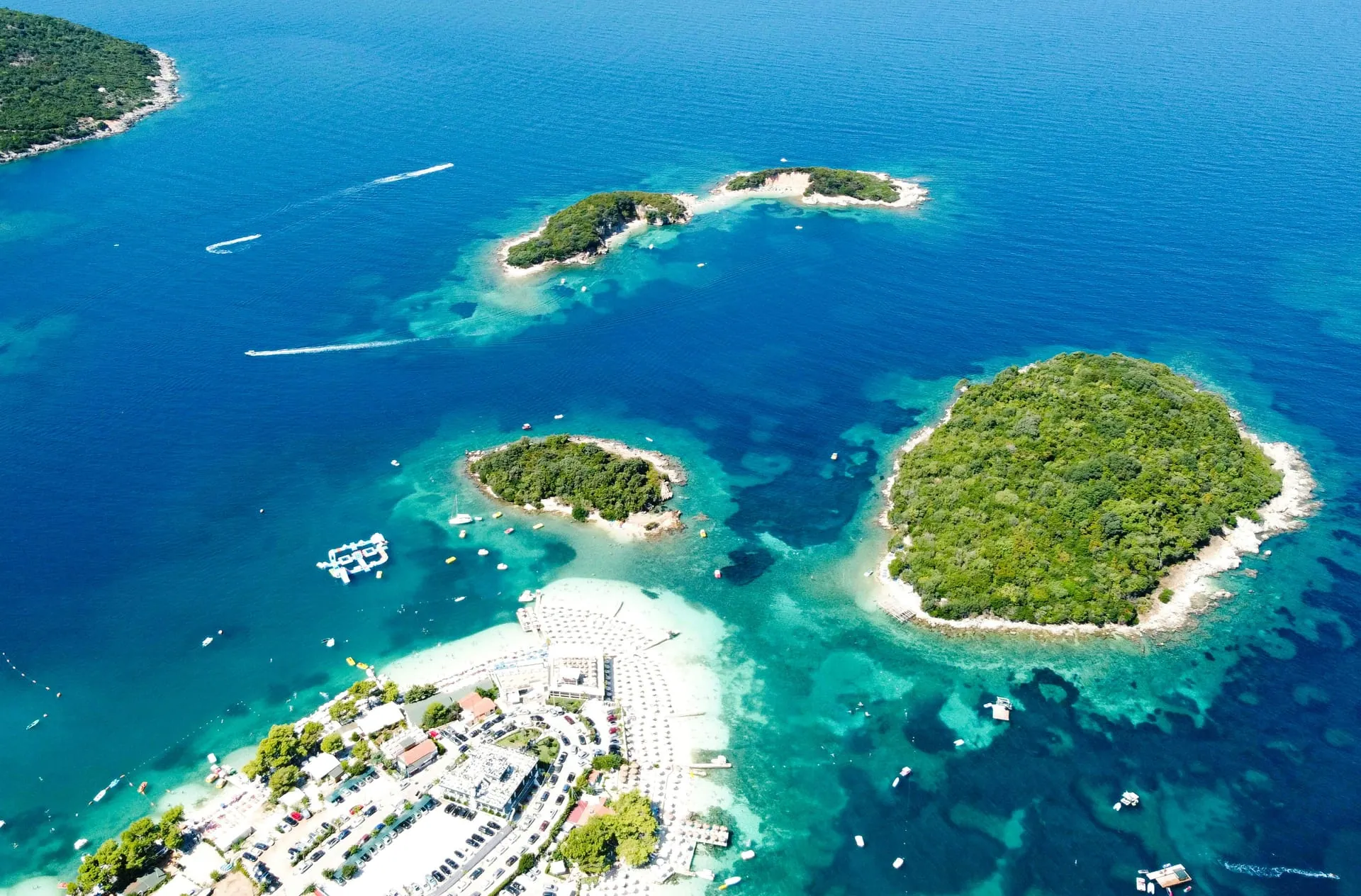
The Riviera (especially Ksamil, Dhërmi, Sarandë) fills up completely in July–August. Booking well ahead for peak dates is sensible. Mountain guesthouses in Theth and Valbonë fill up too — WhatsApp booking is normal and expected.
From the road
Practical tips
- → A rental car is the single best investment for your Albania trip.
- → Sort out a local SIM early — Tirana airport and phone shops in larger towns both sell them.
- → Visit May–June or September for the best weather-to-crowd ratio.
- → Keep €100–200 in cash at all times outside of Tirana.